Mastering how to write a spec script is the single most important skill for an aspiring screenwriter or filmmaker. It serves as your calling card, a demonstration of your unique voice, and potentially the project that launches your career. Unlike a shooting script, which is locked for production, a speculative screenplay is written on your own initiative, without a guaranteed sale. Therefore, it must be compelling enough to grab a producer’s attention immediately. Before you worry about complex pre production software or casting logistics, you must first execute a flawless story on the page.
A spec script demonstrates your ability to tell a visual story. Consequently, you must focus entirely on narrative flow and character development. Industry professionals read hundreds of scripts annually; thus, yours must stand out through clarity and pacing. Whether you are writing an original feature or a sample episode for an existing TV show, the goal remains the same: showcase your talent.
However, writing is only the first step. To ensure your screenplay is taken seriously, you must adhere to strict industry standards. A messy script suggests an amateur writer. Conversely, a polished script signals that you are ready for professional collaboration.
Formatting: The Blueprint of Your Story
Standard formatting is non-negotiable. It dictates how the reader visualizes the film. You must use Courier 12-point font, standard margins, and correct scene headings.
For example, a scene heading (slugline) must always look like this: INT. WILL’S BEDROOM – NIGHTThis brevity tells the reader exactly where and when the action takes place.
Correct formatting serves a practical purpose beyond aesthetics. It allows producers to estimate the film’s runtime accurately. Generally, one page equals one minute of screen time. If your formatting is off, the timing will be inaccurate, which creates massive problems later during budgeting and planning.
Structure and Pacing
Structure is the skeleton that holds your story together. Most successful feature films follow a three-act structure:
The Setup: Introduces the protagonist and the world.
The Confrontation: The hero faces obstacles and rising stakes.
The Resolution: The climax and the new normal.
TV vs. Film Structure
If you are learning how to write a spec script for television, the structure changes slightly. You might need to incorporate act breaks for commercials (in network TV) or structure the episode as a “teaser” followed by four or five acts.
Moreover, utilizing tools like a Beat Board can help you visualize these structural points before you write a single line of dialogue. This ensures your pacing remains tight and your plot points hit at the right moments.
Transitioning to Production Realities
Once your spec script is purchased, it evolves. It transforms from a reading document into a technical blueprint. This is where the writing process intersects with production logistics.
A professional line producer will eventually perform a script breakdown on your work. They will dissect every scene to identify elements like props, costumes, and visual effects. Therefore, when writing, you should be mindful of the complexity you are creating. While you shouldn’t stifle your creativity, understanding that every slugline requires a location move helps you write more producible content.
Similarly, valid scene headings are crucial for film scheduling. If you write “CONTINUOUS” or “LATER” too often without establishing the master location, the scheduling software cannot group scenes efficiently, leading to costly production errors.
Dialogue and Action: Show, Don't Tell
Great screenwriting is economical. You should avoid directing the camera in your action lines. Instead of writing “The camera zooms in on the gun,” write “The gun lies on the table, gleaming.”
Furthermore, dialogue should reveal character, not just exposition. In the script for Big Fish, for instance, the character Edward uses storytelling to reveal his worldview rather than simply stating facts . This technique engages the audience and invites them to interpret the subtext.
Additionally, keep your action blocks short—three to four lines maximum. This improves readability and keeps the reader’s eye moving down the page rapidly, mimicking the pace of the film itself.
The Final Polish
Before sending your script out, you must proofread significantly. Typos break the reader’s immersion. Read your dialogue aloud to ensure it sounds natural.
Ask yourself these questions during the rewrite:
Does every scene advance the plot?
Are the character voices distinct?
Is the formatting consistent with industry norms?
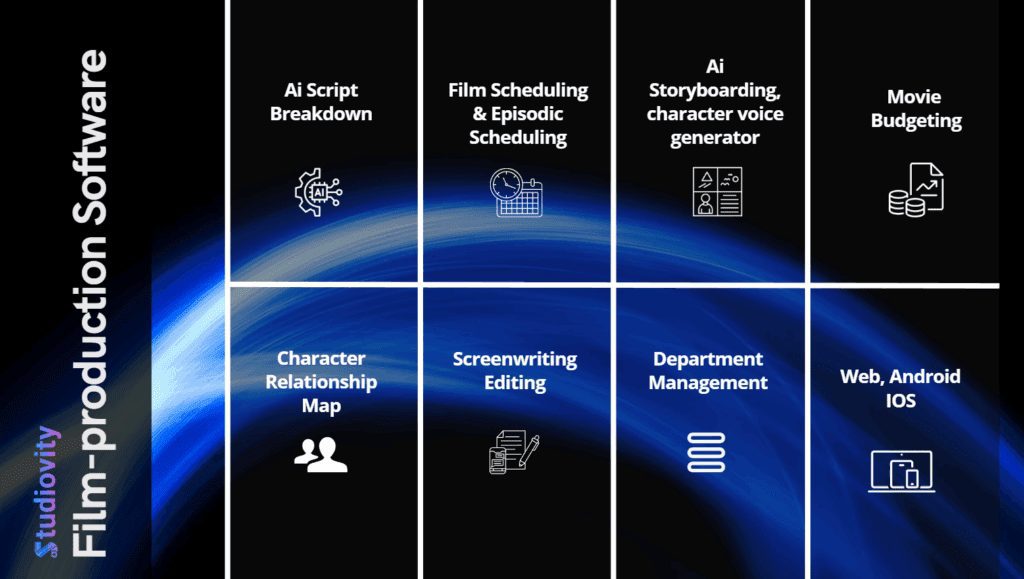
Once your script is polished, you can use digital tools to generate a shot list or storyboard to further visualize your concepts. This extra step can be impressive if you plan to direct the project yourself.
Conclusion
Learning how to write a spec script is a journey of discipline and creativity. By mastering structure, adhering to formatting standards, and understanding the downstream production process, you elevate your work from a hobbyist draft to a professional screenplay. Your script is the foundation upon which the entire production is built. Make it strong, make it clear, and make it unforgettable.