Are you searching for a Devil movie review that goes beyond the surface? Most reviews focus solely on the plot twists or the box office numbers. However, for filmmakers and content creators, the real magic lies in the technical execution. Therefore, we are diving deep into the production elements that make this spy thriller tick. Whether you are scripting your own period piece or planning complex action sequences, dissecting a film like Devil provides invaluable lessons. In this Devil movie review, we analyze the narrative structure, the intricate production design, and the logistical challenges of executing such a massive vision.
The Narrative Architecture: More Than Just Secrets
First, let’s look at the foundation. A spy thriller lives or dies by its screenplay. In Devil, the story isn’t just about a secret agent; it is about the layering of information. The writers expertly utilize a non-linear narrative to keep the audience guessing. Consequently, this requires meticulous planning during the writing phase.
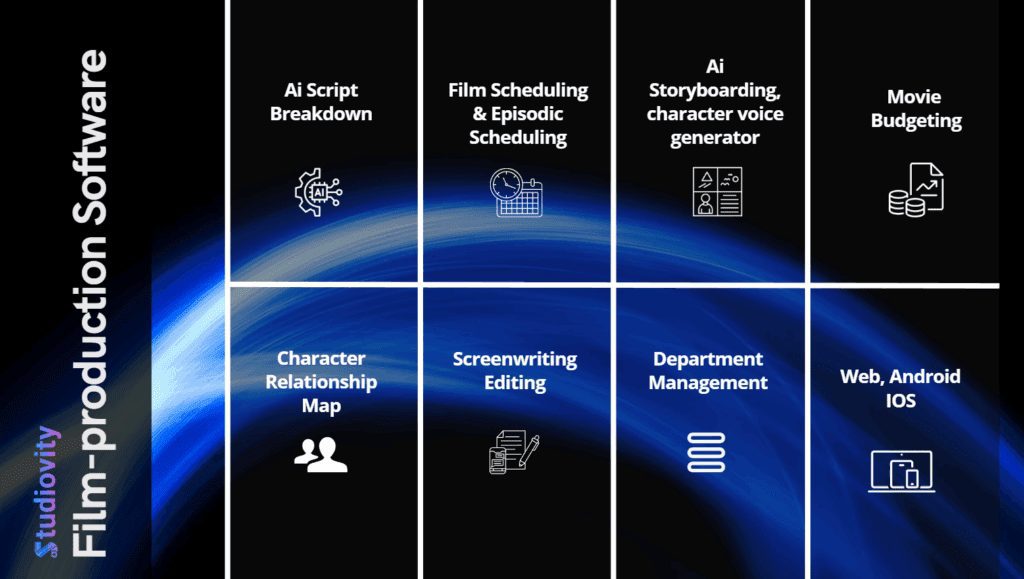
For screenwriters, achieving this level of complexity requires a robust structural tool. You cannot simply write scene after scene blindly. Instead, you must map out your beats. This is where tools like the Studiovity Screenwriting Software become essential. By using a feature like the Beat Board, writers can visualize the entire arc of a mystery before typing a single line of dialogue. Furthermore, maintaining the pacing in a suspense film is critical. If your script drags, the tension evaporates. Therefore, analyzing the structure of Devil teaches us that every scene must serve a dual purpose: advancing the plot and deepening the mystery.
Production Design: Building a Believable Past
Next, we must discuss the visual language. A significant portion of this Devil movie review must address the period setting. Creating a convincing historical atmosphere is not merely about finding an old building; it involves rigorous Production Design. The set dressings, the vintage vehicles, and the specific color palettes transport the viewer instantly.
Achieving this requires a detailed Script Breakdown. Every prop, from a vintage pistol to a specific type of telegraph machine, must be tagged and cataloged. In a manual workflow, this leads to errors. However, with AI-driven breakdown tools, production heads can instantly identify every period-specific asset required for the shoot. For example, in Devil, the texture of the costumes tells a story of its own. Coordinating these hundreds of wardrobe changes requires a dedicated Department Management system to ensure the right actor has the right gear on the right day.
Cinematography and Lighting: The Mood of Betrayal
Moreover, the lighting in Devil plays a pivotal role in the storytelling. The cinematographer uses shadow and high-contrast lighting to suggest duality and deception. This technique, often referred to as chiaroscuro, is a staple of the noir and spy genres.
For aspiring cinematographers, pre-visualizing these setups is crucial. You cannot rely on guesswork when dealing with complex period lighting fixtures. Utilizing tools like Filmlight Pro allows DPs to simulate ambient light and specific camera sensors before stepping on set. Consequently, this saves hours of rigging time. In our Devil movie review, we noticed several scenes where practical lighting was likely supplemented by precise camera settings to achieve that gritty, vintage look.
Orchestrating the Action: Stunts and Schedules
Furthermore, a spy film is incomplete without adrenaline-pumping action. The stunt coordination in Devil is sharp and impactful. However, filming these sequences is a logistical nightmare. It involves safety crews, stunt doubles, specific props, and rigorous timing.
Therefore, the Scheduling of these scenes dictates the success of the production. You cannot schedule a high-intensity fight scene on the same day as an emotional monologue without exhausting your cast. Using a digital stripboard to rearrange scenes for maximum efficiency is standard practice for top-tier Assistant Directors. Additionally, clear communication via Call Sheets ensures that the stunt team arrives exactly when needed, preventing costly delays.
The Verdict: A Masterclass in Genre Execution
Finally, to conclude this Devil movie review, the film stands as a testament to solid pre-production. The intricate plot, the immersive world-building, and the sharp action all point to a well-oiled production machine. For the audience, it is an entertaining ride. But for us filmmakers, it is a blueprint for how to manage scale and complexity.
If you are inspired to create your own thriller, remember that ambition requires organization. You don’t need a Hollywood budget to plan like a pro; you just need the right ecosystem.