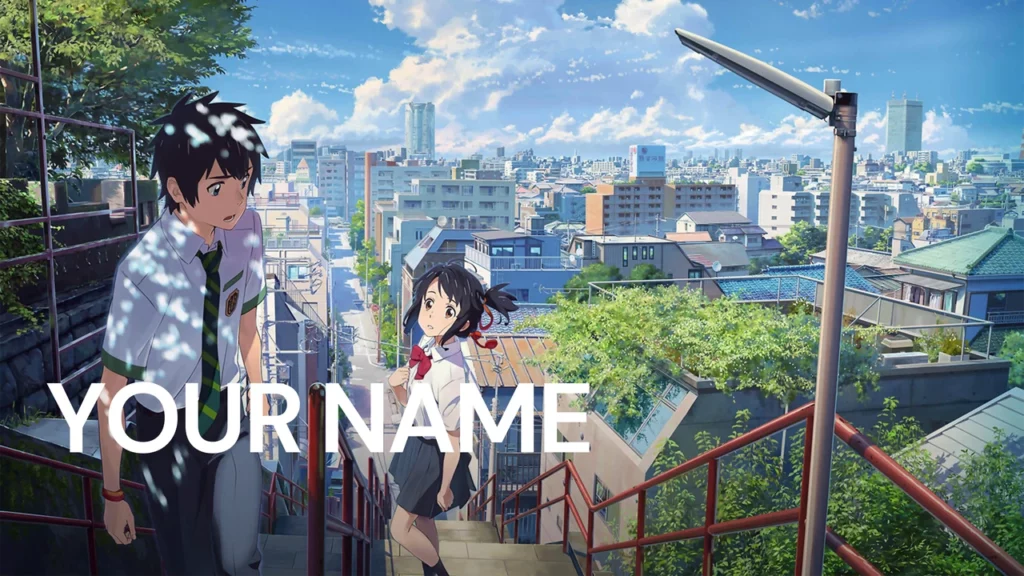
Makoto Shinkai’sYour Name (Kimi no Na wa) is not just an anime; it is a global cultural phenomenon that redefined animated storytelling. Filmmakers and writers constantly seek the Your Name 2016 script PDF to understand how Shinkai balanced a complex body-swapping narrative with deep emotional resonance. The screenplay masterfully intertwines sci-fi elements with traditional Japanese folklore, creating a nonlinear timeline that challenges even experienced directors. Furthermore, studying this script offers invaluable lessons on visual writing, pacing, and the structural “Musubi” (knotting) of timelines.
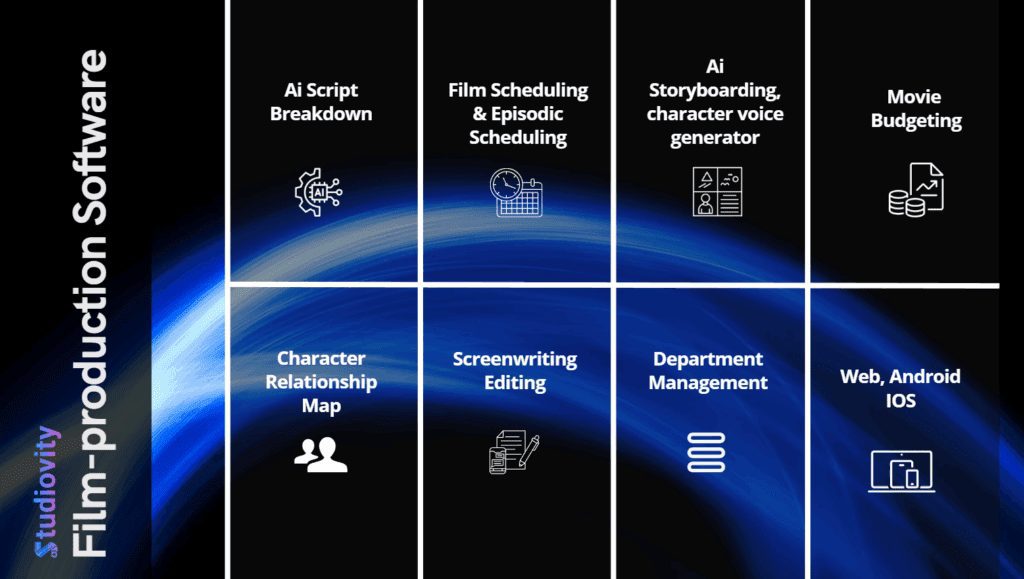
If you are planning a project with complex timelines or animation requirements, you need the right tools to manage it.
Download the Your Name 2016 script PDF from the link given below.
Why the "Your Name" Script is a Masterclass in Storytelling
The Your Name 2016 script PDF serves as a perfect example of “show, don’t tell,” even within a medium that relies heavily on internal monologues. Shinkai uses the contrast between the rural town of Itomori and the bustling metropolis of Tokyo to drive the narrative forward. Moreover, the script utilizes distinct dialects and speech patterns to differentiate Taki and Mitsuha, a nuance that is visible on the page before it ever reaches the screen.
The Concept of Musubi (Connection)
At its core, the script is built around the concept of Musubi. This theme is not merely dialogue; rather, it is the structural backbone of the screenplay. The narrative twists, turns, breaks, and reconnects, mimicking the braided cords that Mitsuha creates. Consequently, analyzing the Your Name 2016 script PDF reveals how Shinkai uses recurring motifs—like the sliding doors or the comet’s tail—to visually anchor the audience within a shifting timeline.
For writers attempting to weave similar complex narratives, using a professional Screenwriting tool is essential. It allows you to track character arcs and timeline jumps effortlessly.
Deconstructing the Body Swap Mechanics
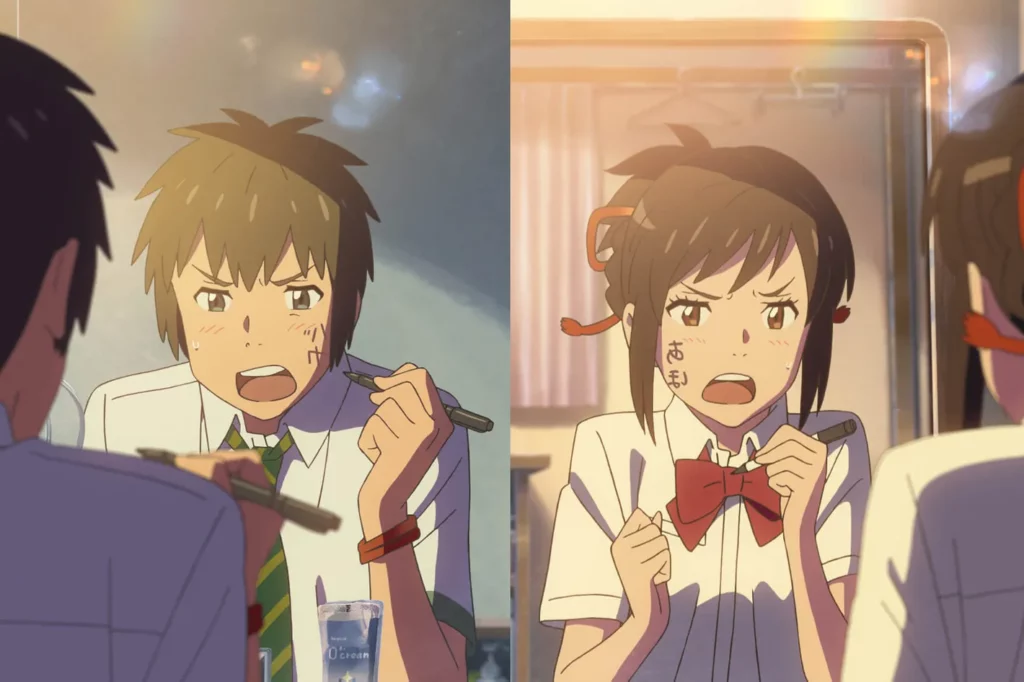
One of the most difficult challenges in screenwriting is conveying a body swap without confusing the audience. The script handles this through sharp, rhythmic montages. Instead of lengthy exposition, Shinkai writes rapid-fire scenes showing the characters reacting to their new environments.
Taki in Mitsuha’s Body: The script emphasizes his masculine posture and confusion with feminine rituals.
Mitsuha in Taki’s Body: The text highlights her fascination with Tokyo cafes and her gentle demeanor.
Therefore, the Your Name 2016 script PDF is an excellent resource for learning how to write distinct character voices. Additionally, visualizing these rapid transitions requires precise planning. Directors can use Shot Listing tools to plan these montages frame-by-frame, ensuring the visual language remains consistent even when the characters switch.
Visualizing the Script: From Page to Screen
Anime scripts differ significantly from live-action screenplays because they must dictate the visual style explicitly for the animators. Shinkai is known for his hyper-realistic backgrounds and lighting. The script describes the “magic hour” (Kataware-doki) with immense detail, setting the color palette and mood for the entire production team.
Analyzing the "Twilight" Scene
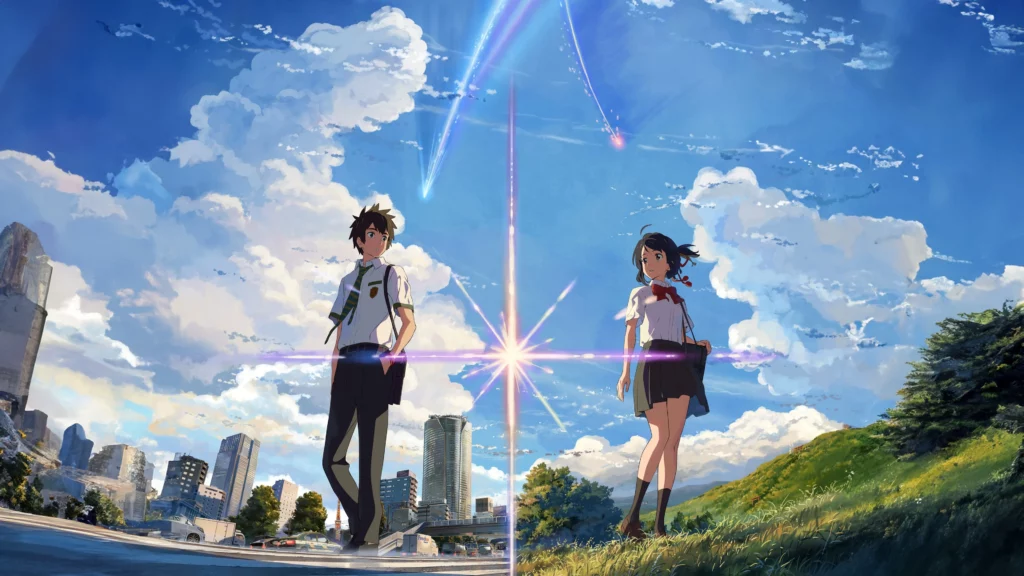
The climax of the film, where Taki and Mitsuha finally meet at twilight, is a triumph of visual storytelling. The screenplay slows down the pacing here. It focuses intensely on the fading light and the emotional weight of the moment. Furthermore, the script uses silence effectively, allowing the visuals to carry the emotional burden.
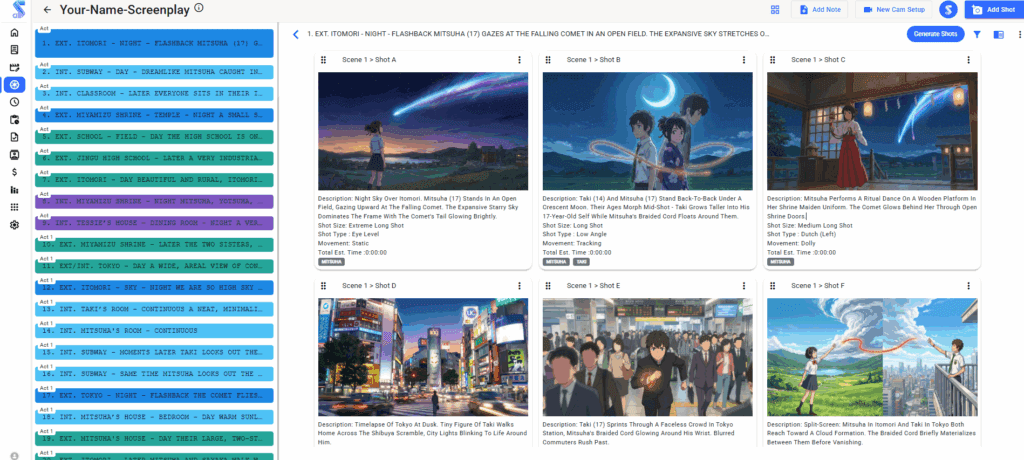
To replicate this level of visual preparation, modern filmmakers use AI Storyboarding to generate visual panels directly from their script descriptions. This ensures the cinematographer and director share the exact same vision before production begins.
Breaking Down the Production Elements
Reading the Your Name 2016 script PDF also reveals the massive logistical undertaking required to produce the film. The story involves multiple locations, distinct time periods (three years apart), and massive crowd scenes during the festival.
Managing Locations and Assets
Itomori: Requires shrine assets, festival props, and specific rural costumes.
Tokyo: Demands cityscape backgrounds, train interiors, and modern wardrobe.
A Line Producer reading this script would immediately start categorizing these elements. By using Script Breakdown software, you can automatically tag every prop, location, and character in seconds. This turns a complex script into a manageable list of assets.
Scheduling a Non-Linear Narrative
The timeline twist in Your Name makes scheduling a nightmare for a live-action adaptation. The script jumps back and forth between timelines constantly. Therefore, maintaining continuity is paramount.
If you were filming this today, you would need to group scenes not just by location, but by the “time period” of the characters. For instance, filming all of Taki’s “past” scenes together would preserve emotional continuity. A robust Scheduling tool with a digital stripboard allows you to rearrange scenes effortlessly to optimize the shoot.
Budgeting for Animation vs. Live Action
While Your Name is an anime, the principles of budgeting remain relevant. The Your Name 2016 script PDF describes high-concept sequences, such as the comet splitting and destroying the town. In live-action, this translates to heavy VFX costs. In animation, it means higher labor costs for top-tier background artists and compositors.
Accurately forecasting these costs is critical. Using Budgeting software helps producers track “Above the Line” costs (voice talent, director) versus “Below the Line” costs (animators, render farms), ensuring the project stays financially viable.
How to Import and Analyze Scripts
Download the Your Name 2016 script PDF from the link given below. Once you have a script, the next step is to analyze it deeply. You can import PDF scripts directly into Studiovity to utilize its breakdown and analysis features.
Import the PDF: Upload the script file.
Run AI Breakdown: Identify all characters and locations.
Generate Reports: See how often Taki and Mitsuha appear and interact.
This workflow transforms passive reading into active production planning.
Conclusion: Weaving Your Own Narrative
Makoto Shinkai’s screenplay proves that even the most complex narratives can be grounded in simple, human emotions. By studying the Your Name 2016 script PDF, filmmakers learn to balance structural complexity with emotional clarity. However, writing a great script is only the first step. To bring it to life requires organization, planning, and collaboration.
Whether you are writing the next great anime or a live-action indie feature, Studiovity provides the ecosystem to take you from script to screen.