In the high-stakes ecosystem of cinema, film production scheduling serves as the backbone of your entire project. If the schedule breaks, the budget bleeds, and the creative vision suffers. However, even the most meticulous plans encounter friction. Weather changes, actors fall ill, and locations become unavailable.
Therefore, mastering the art of conflict resolution within your film production scheduling workflow is not just a logistical skill; it is a necessity for survival in this industry. By implementing strategic foresight and leveraging advanced tools, you can transform potential disasters into manageable pivots.
Efficiency is the currency of filmmaking. When a schedule falters, the financial repercussions are immediate. Overtime hours accumulate, equipment rentals extend beyond their contracts, and the morale of the crew deteriorates. Furthermore, a chaotic schedule often leads to rushed shots, compromising the visual quality of the final product.
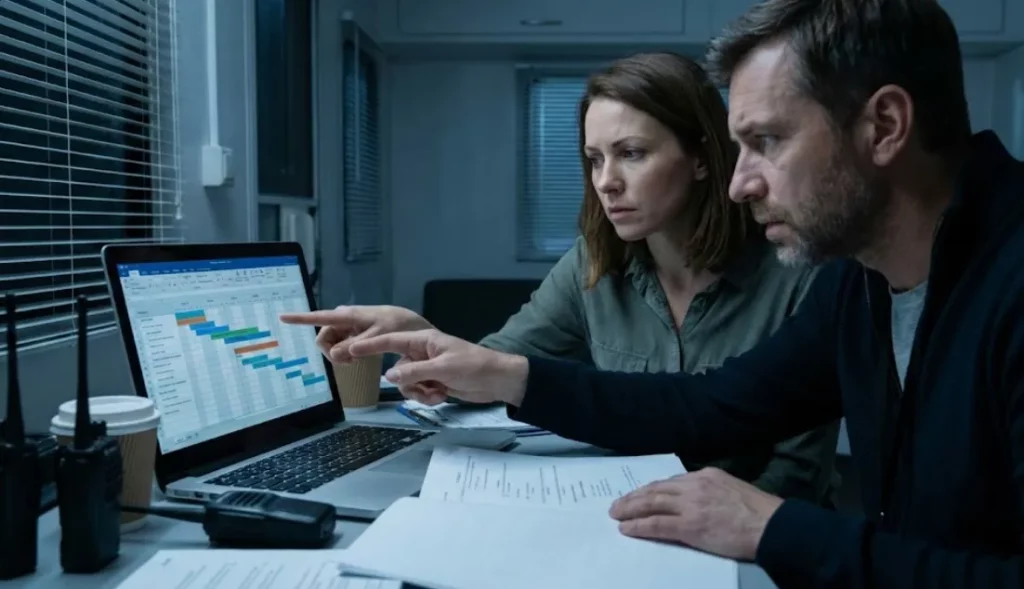
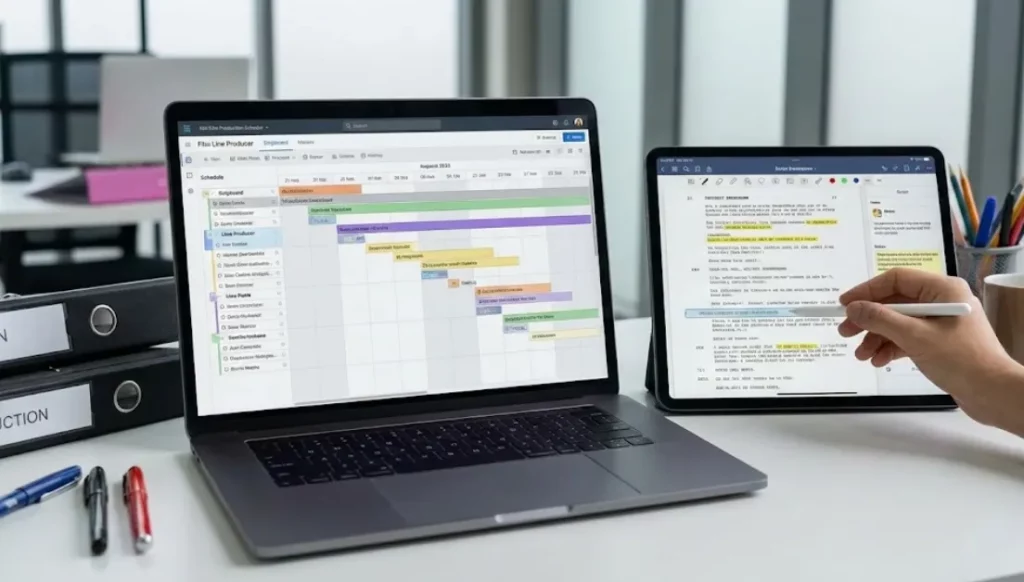
To avoid these pitfalls, producers must view film production scheduling as a dynamic, living entity rather than a static document. It requires constant monitoring and the agility to adapt. For instance, if a key location drops out 24 hours before a shoot, a static spreadsheet offers no immediate solution. In contrast, an integrated Scheduling/Stripboard system allows you to drag and drop scenes, instantly visualizing the impact on the rest of the calendar.
Identifying the Root Causes of Conflicts
Before you can solve a problem, you must identify its source. Generally, scheduling conflicts stem from three primary categories: logistical constraints, human resource limitations, and environmental factors.
Logistical Constraints: These include location permits, equipment availability, and unit moves. If your Script Breakdown misses a critical prop or vehicle, the entire day’s schedule can grind to a halt.
Human Resource Limitations: This involves actor availability, child labor laws, and crew turnaround times. Ignoring these parameters results in stiff penalties and union violations.
Environmental Factors: Weather is the unpredictable variable. A rain delay on an exterior shoot demands an immediate “Cover Set” alternative.
By categorizing these risks early, you can build contingencies directly into your Production Calendar.
Leveraging the Stripboard for Visual Clarity
The most effective tool for combating film production scheduling conflicts is the digital stripboard. Traditionally, this was a physical board with colored strips of paper. Today, AI-driven platforms have revolutionized this process.
When you utilize a digital stripboard, you gain the ability to reorder scenes effortlessly. For example, if you are shooting a complex sequence that requires high emotional intensity from your lead actor, you might want to schedule those scenes later in the day. However, if the location permit expires at 5:00 PM, you face a conflict.
A digital stripboard visualizes these constraints. You can see your “Day Breaks” clearly. Consequently, you can shuffle scenes to maximize the actor’s performance while strictly adhering to the permit times. This level of granular control is essential for modern Line Producers.
Integrating Script Breakdowns with Scheduling
A schedule is only as accurate as the data feeding it. Therefore, a flawless film production scheduling process begins with a precise script breakdown. If your breakdown fails to tag a specific specialized extra or a visual effect requirement, that element will not appear on the schedule or the call sheet.
Using intelligent software to automate this process ensures that every element is accounted for. When you tag “Vintage Car” in your Script Breakdown, it automatically populates in your scheduling reports. This causal link prevents the nightmare scenario of arriving on set only to realize a crucial asset is missing.
Moreover, this integration supports financial tracking. Every element added to the schedule has a cost implication. By linking your schedule to your Film Budgeting, you can immediately see how a schedule extension impacts your bottom line.
Optimizing Communication with Call Sheets
Even the perfect schedule fails if it is not communicated effectively. The Daily Call Sheet is the tactical document that executes the strategic plan of the schedule. Common conflicts arise when the call sheet contradicts the master schedule or fails to update crew members on last-minute changes.
To mitigate this, you should utilize a system that generates Call Sheets directly from your live schedule. This ensures that if you move a scene from Tuesday to Wednesday, the call sheet for Wednesday automatically reflects the correct cast, location, and requirements. This automation eliminates human error and ensures the entire team operates from a single source of truth.
Additionally, utilizing a centralized Task Management system keeps department heads aligned on prep requirements leading up to the shoot day.
Real-World Application: The "Company Move" Conflict
Let’s examine a common scenario: The “Company Move.” You have scheduled two locations for one day. The first is a park (Exterior), and the second is an apartment (Interior).
The Conflict
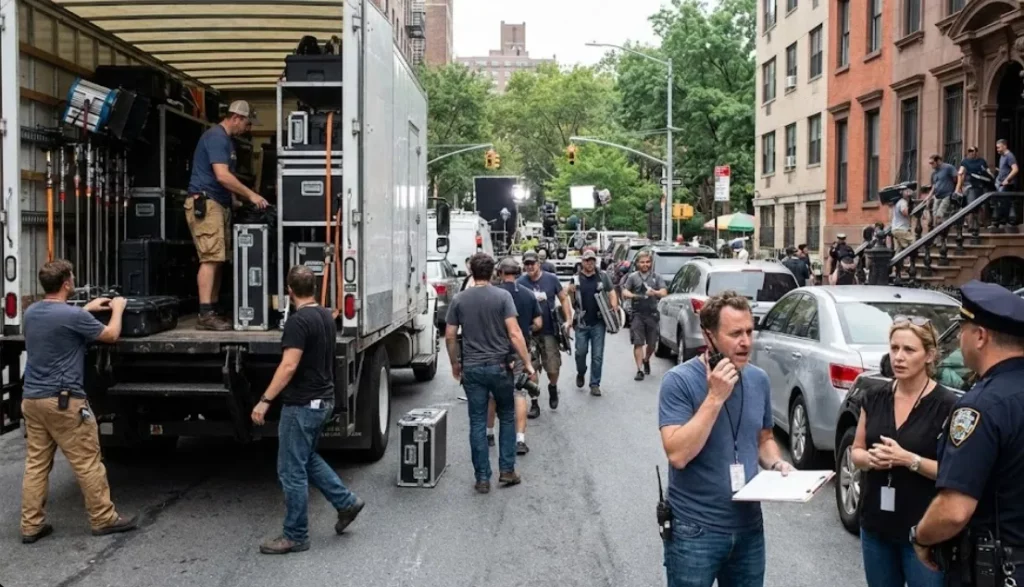
The unit move is estimated at one hour. However, traffic data suggests it will take two hours during peak time. If you stick to the original plan, you lose an hour of shooting time at the apartment, potentially forcing overtime.
The Solution
Analyze: Review the film production scheduling timeline.
Adjust: Swap the shooting order. Shoot the Interior apartment first (morning), then move to the Exterior park post-lunch when traffic is lighter.
Verify: Check if this swap affects lighting. Use Lighting Tools to simulate the sun position for the afternoon park shoot.
Execute: Update the stripboard and publish the changes to the team.
Conclusion: Agility Wins the Day
Ultimately, successful film production scheduling is not about creating a plan that never changes; it is about creating a plan that can change without breaking the production. By understanding the root causes of conflicts, leveraging integrated digital tools, and maintaining clear communication channels, you empower your production to weather any storm.
Don’t let scheduling conflicts dictate your creative output. Take control of your timeline today.