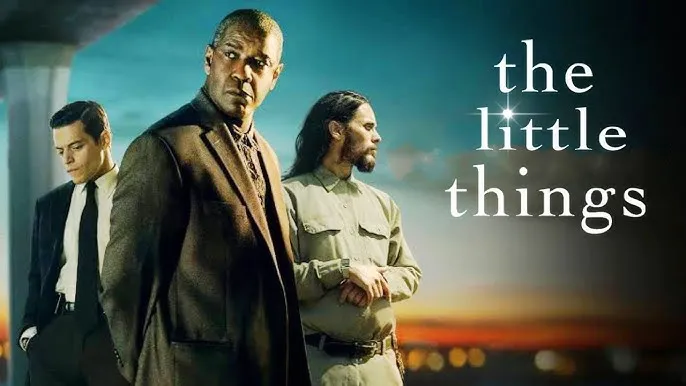
When three Oscar-winning actors—Denzel Washington, Rami Malek, and Jared Leto—converge in a neo-noir thriller, filmmakers naturally expect a masterclass in craft. A comprehensive The Little Things movie review and breakdown reveals that John Lee Hancock’s film offers exactly that, though perhaps not in the way general audiences expected.Rather than a tidy whodunnit, the film serves as a complex study of guilt, obsession, and the haunting nature of unresolved cases.
For directors and producers, a The Little Things movie review and breakdown provides more than just plot analysis; it reveals critical lessons in managing tone, subverting genre tropes, and executing a period piece on a mid-range budget. Furthermore, analyzing this film highlights how essential proper pre-production tools are when balancing a character-driven narrative with the logistical demands of a crime procedural.
The Narrative Architecture: Subverting the Neo-Noir Script
Unlike typical police procedurals, The Little Things does not prioritize the capture of the killer. Instead, it focuses on the psychological deterioration of the detectives hunting him. Remarkably, John Lee Hancock wrote the first draft of this script in 1993, decades before it finally reached the screen. This long gestation period is evident in the film’s structure, which feels less like a modern action movie and more like a slow-burn 90s thriller in the vein of Se7en.
From a screenwriting perspective, the film challenges the standard three-act structure. Specifically, the third act denies the audience the catharsis of a “solved” case. For screenwriters, this presents a fascinating case study in managing audience expectations. Writing a script that intentionally avoids resolution requires meticulous planning. You must ensure every scene builds character depth since the plot itself won’t provide the traditional payoff.
Consequently, managing such a nuanced script requires professional tools. Writers must track character arcs and emotional beats with precision. Using advanced screenwriting software allows creators to map out these complex psychological shifts, ensuring that the lack of plot resolution feels intentional rather than accidental.
Visual Language: Cinematography and 1990s Atmosphere
A key element of any The Little Things movie review and breakdown is the visual language established by cinematographer John Schwartzman. Set in 1990 Los Angeles, the film relies heavily on atmosphere to convey its themes of decay and stagnation. The lighting choices are deliberate, often utilizing sodium-vapor streetlights and heavy shadows to create a sense of dread.
Filmmakers should note how the visual style reinforces the narrative. For instance, the interrogation scenes are claustrophobic, with lighting that isolates the characters, emphasizing their psychological separation. Achieving this level of visual storytelling requires extensive pre-visualization. Cinematographers and directors need to communicate their vision clearly before stepping on set.
Therefore, utilizing tools like shot list and storyboard software becomes indispensable. By planning camera angles and lighting setups in advance, production teams can ensure they capture the specific mood required for a neo-noir thriller. Additionally, using physics-based lighting tools like Filmlight Pro can help DPs simulate complex lighting scenarios, saving valuable time and budget during the actual shoot.
Character Study: Casting and Performance Logistics
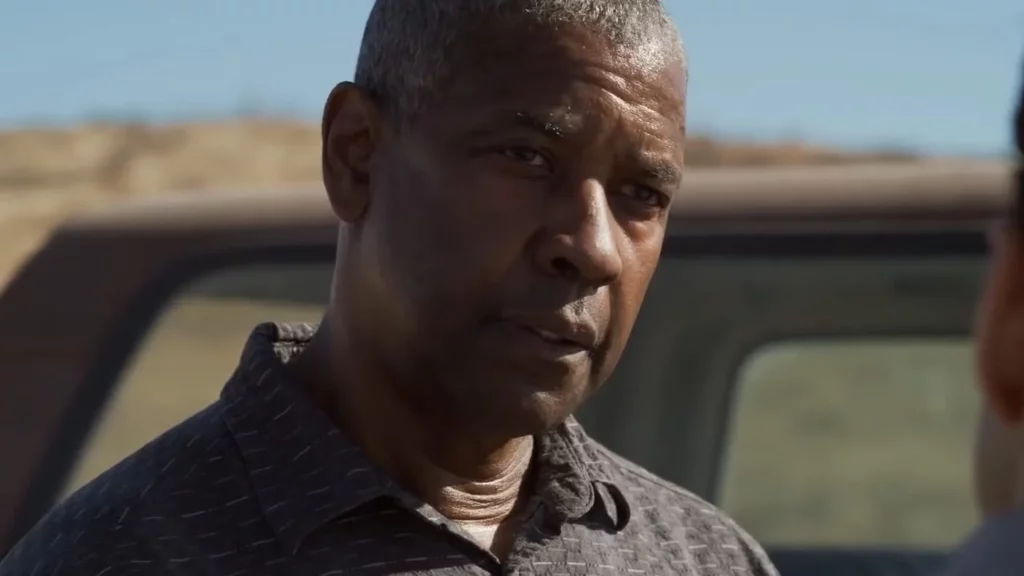
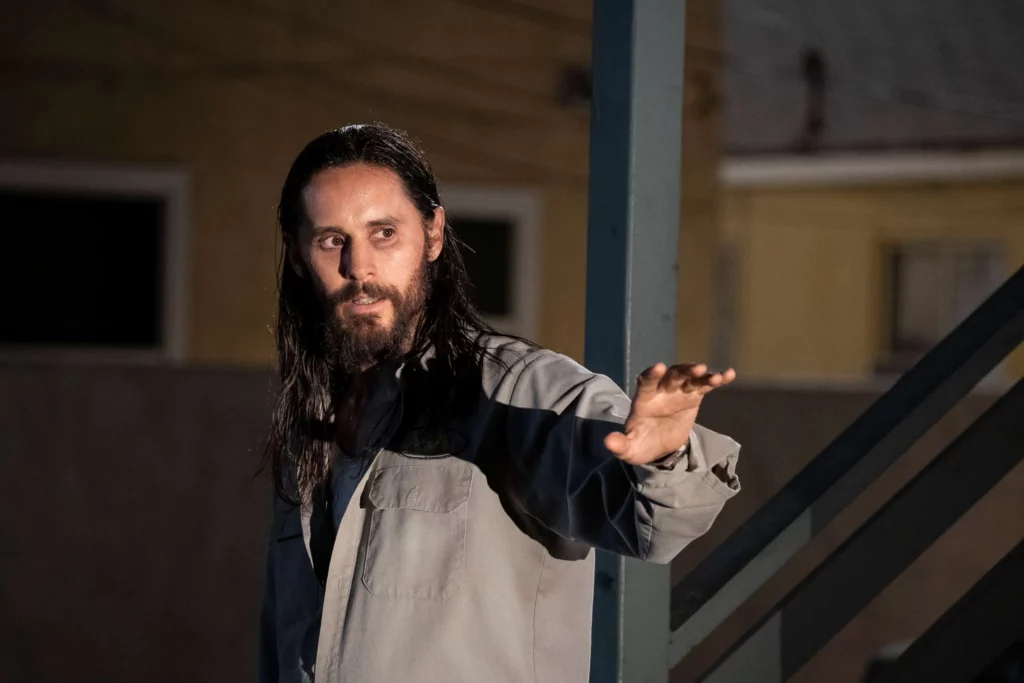
The film’s power lies entirely in its performances. Denzel Washington’s portrayal of Joe “Deke” Deacon is a masterclass in understated acting, conveying a lifetime of regret with minimal dialogue. Similarly, Jared Leto’s transformative performance as Albert Sparma adds a layer of unsettling ambiguity that drives the film’s tension.
However, managing A-list talent and their specific requirements is a significant logistical challenge for producers. Scheduling scenes to maximize the availability of high-profile actors is crucial. For example, the intense highway scene between Malek and Leto relies heavily on the chemistry and timing of the actors. Delays in such sequences can be costly.
To manage these logistics effectively, line producers must rely on robust scheduling software. Creating an efficient stripboard ensures that expensive talent is utilized effectively, minimizing downtime. Moreover, keeping track of the specific needs for each character—from costumes to props—requires a detailed script breakdown to ensure every department is aligned with the shooting schedule.
The Production Logistics: Managing a Mid-Range Budget
With a production budget of approximately $30 million, The Little Things sits in a unique space—it is neither a low-budget indie nor a massive blockbuster. This mid-range budget requires disciplined financial management. Every dollar must appear on screen, whether it’s in the period-accurate set design or the star power of the cast.
For independent producers, this film demonstrates the importance of resource allocation. A significant portion of the budget likely went to the cast, meaning the physical production had to be efficient. Balancing these costs is a delicate act. Unexpected expenses can quickly derail a project of this scale.
Hence, accurate financial tracking is non-negotiable. Using professional movie budgeting software allows producers to track estimated versus actual costs in real-time. This level of oversight ensures that the production stays on track, allowing the director to focus on the creative vision rather than financial fires.
The Controversial Ending: An Analysis of Ambiguity
The ending of The Little Things remains its most discussed element. In the finale, Deke sends Baxter a red barrette, implying it was found in Sparma’s apartment, thus confirming his guilt. However, the audience sees Deke buying a new pack of barrettes, revealing that the evidence was fabricated to grant Baxter peace of mind.
This twist recontextualizes the entire film. It shifts the genre from a “whodunnit” to a tragedy about the corruption of the soul. Deke does not solve the case; he merely initiates Baxter into a cycle of guilt and cover-ups. This narrative choice essentially mirrors Deke’s own past failure, creating a cyclical narrative structure.
Executing such a specific and prop-dependent ending requires precise coordination between the art department and the script supervisors. The “red barrette” is not just a prop; it is the narrative key. Ensuring that such critical items are tracked and available on the correct shooting days is vital. This is where call sheet software proves its worth, ensuring that every department knows exactly what props are needed for the day’s specific scenes.
Conclusion: Lessons for Modern Filmmakers
Ultimately, a The Little Things movie review and breakdown reveals a film that values atmosphere and character psychology over plot mechanics. For filmmakers, it serves as a reminder that subverting genre expectations can yield powerful results, provided the execution is masterful. From the careful construction of the script to the disciplined management of the budget, every aspect of the film highlights the need for professional planning.
Whether you are writing a neo-noir thriller or planning a complex shoot, success lies in the details. Utilizing the right pre-production tools can make the difference between a disorganized shoot and a cinematic masterpiece.