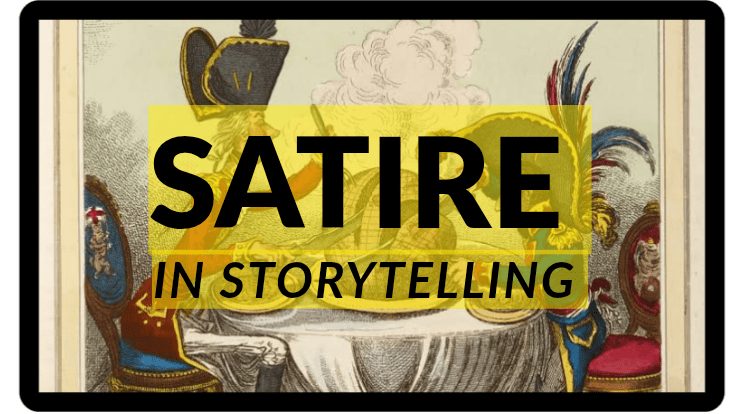
Satire is one of the most powerful tools in storytelling. Whether you’re working on a screenplay, a novel, or even a short film, using satire can help deliver hard truths through humor, irony, or exaggeration. In this guide, we’ll explore the three essential types of satire every storyteller should know and how to use them effectively in your narrative.
Why Satire Matters in Storytelling
Satire goes beyond just making people laugh—it holds up a mirror to society. Through it, storytellers expose flaws in politics, culture, and human behavior. Unlike direct criticism, satire engages audiences emotionally while prompting critical reflection.
For writers using pre production software or drafting a script breakdown, knowing which form of satire suits your project can shape your tone, structure, and character development.
1. Horatian Satire: Light, Witty, and Insightful
Named after the Roman poet Horace, Horatian satire is gentle, playful, and often targets universal human vices with light-hearted humor. It’s not meant to incite anger but to provoke amusement and self-awareness.
When to use it:
If your story aims to entertain while commenting on human folly—such as ego, vanity, or indecision—this is the best fit. Many romantic comedies or slice-of-life films make excellent use of Horatian satire.
Example:
The Devil Wears Prada critiques fashion industry superficiality without cruelty, making audiences laugh while still recognizing its flaws.
2. Juvenalian Satire: Sharp, Critical, and Bold
This type of satire, named after the Roman satirist Juvenal, is darker and more abrasive. It focuses on exposing corruption, hypocrisy, and social injustice. The tone is more serious, often bordering on bitter.
When to use it:
Opt for Juvenalian satire when your goal is to highlight serious flaws in institutions or societal behavior. It’s ideal for political dramas or dystopian thrillers.
Example:
Black Mirror consistently uses Juvenalian satire to critique technology and its impact on humanity, often leaving viewers disturbed yet thoughtful.
3. Menippean Satire: Philosophical and Abstract
Menippean satire criticizes mental attitudes rather than specific individuals or entities. It blends prose and dialogue, often using fantastical or absurd settings to express complex ideas.
When to use it:
If your story leans into speculative fiction or surrealism, Menippean satire lets you challenge conventions in a creative way.
Example:
Don’t Look Up uses absurdity to explore public denial of climate change, satirizing media, politics, and modern apathy simultaneously.
Writers working on a film scheduling plan or managing their cast and crew can use Menippean satire to align tone with theme during early planning stages.
How to Choose the Right Type of Satire
Each type serves a different purpose:
Use Horatian satire for warmth and wit.
Use Juvenalian satire for biting social critique.
Use Menippean satire for abstract or layered storytelling.
The decision depends on your theme, audience, and emotional goals. Whether your story needs subtle charm or hard-hitting impact, knowing these types helps refine your tone and structure.
Final Thought
Mastering the types of satire every storyteller should know gives your narrative both style and substance. When satire is well-crafted, it can elevate a story beyond entertainment into a tool for reflection and change.
This blog was crafted for creative minds using STUDIOVITY AI – your companion in smarter, sharper storytelling.
Script breakdown elements are the production requirements hidden inside every scene: the characters, background actors, props, set dressing, wardrobe, makeup, locations, vehicles, animals, stunts, effects