
Essential Film Production Skills Every Student Should Learn
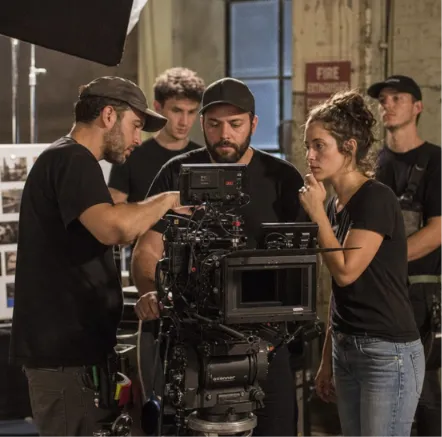
Stepping onto a film set for the first time is an unforgettable experience. The bright lights, organized chaos, and collaborative energy of cast and crew make filmmaking unlike any other creative field. However, creating a successful film requires far more than enthusiasm. It demands planning, technical knowledge, creative problem-solving, and the ability to work effectively with others.
Whether you choose a traditional film school or decide to become a self-taught filmmaker, mastering Film Production Skills for Students will prepare you for professional productions and independent filmmaking alike. Every successful project begins long before the camera starts recording and continues well after the final scene is captured.
From screenplay development to post-production, these are the core skills every aspiring filmmaker should develop.
Pre-Production: Building the Foundation
Professional productions succeed because they are carefully planned. Pre-production transforms ideas into practical production plans that save time, reduce costs, and eliminate unnecessary delays.
Master the Script Breakdown and Scheduling Process
A screenplay is much more than dialogue. Every page contains production requirements that must be identified before filming begins.
A proper script breakdown helps you identify:
Cast members and extras
Props and set dressing
Wardrobe and makeup
Locations
Vehicles and animals
Visual effects
- Special equipment
After breaking down the screenplay, filmmakers organize scenes into an efficient shooting schedule. Instead of filming in story order, productions schedule scenes according to actor availability, locations, weather conditions, and lighting requirements. Learning this process is one of the most valuable Film Production Skills for Students.
Budgeting and Resource Management
Every filmmaker eventually learns that creativity must work alongside financial planning. Understanding how to manage film production budgets allows students to produce better films without overspending.
A realistic production budget should include:
Camera and lighting rentals
Location permits
Transportation
Catering
Wardrobe and props
Insurance
Post-production costs
Marketing expenses
Professional producers also include a 10–15% contingency fund for unexpected expenses because almost every production encounters unforeseen challenges.
Storyboarding Your Vision
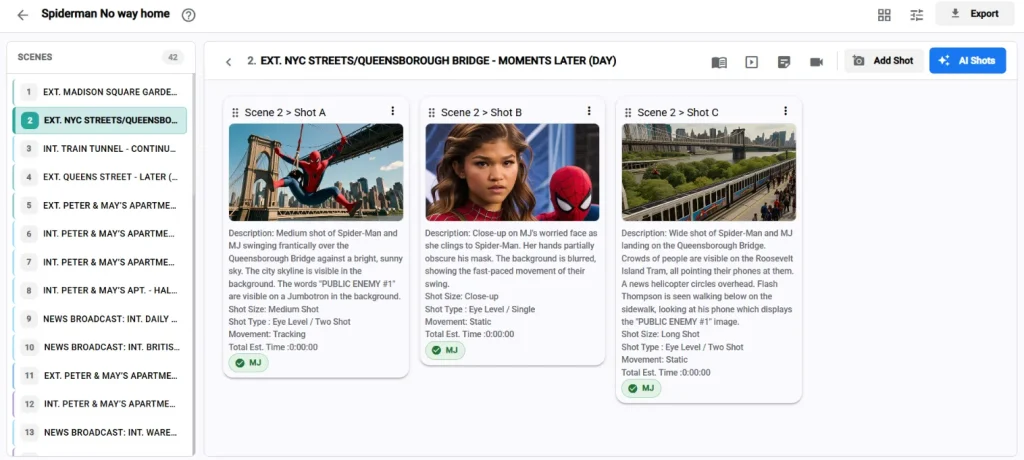
Directors communicate visually. Before stepping onto the set, they translate written scenes into images using storyboards.
Learning how to create a professional storyboard allows directors, cinematographers, and production designers to share the same visual language. Storyboards help determine:
Camera angles
Camera movement
Actor blocking
Shot composition
- Scene transitions
Even simple sketches can dramatically improve production efficiency and reduce confusion during filming.
Location Scouting
Choosing the right location requires more than finding beautiful scenery.
A comprehensive location scouting checklist should include:
Electrical power availability
Ambient sound levels
Parking access
Crew space
Equipment storage
Natural lighting conditions
Filming permissions
Safety considerations
The right location contributes significantly to storytelling while minimizing production challenges.
Production: Bringing Stories to Life
Production is where preparation meets execution. Every department works together to transform months of planning into cinematic footage.
Understanding Cameras and Lenses
Many beginners believe expensive equipment automatically creates better films. In reality, understanding camera fundamentals is far more important.
Students should master:
Aperture
ISO
Shutter speed
White balance
Frame rates
Depth of field
Equally important is learning how different focal lengths affect storytelling.
For example:
Wide lenses create environmental context.
Standard lenses feel natural.
Telephoto lenses isolate characters and create emotional intimacy.
Knowing when to use each lens helps filmmakers influence audience emotions.
Lighting Techniques
Lighting shapes mood, emotion, and atmosphere.
Every student should understand the classic three-point lighting system:
Key Light – Primary illumination
Fill Light – Softens shadows
Back Light – Separates the subject from the background
After mastering these fundamentals, filmmakers can experiment with cinematic lighting styles that create suspense, realism, romance, or drama.
Production Design
Production design gives films their visual identity.
This includes:
Set decoration
Furniture
Props
Wardrobe
Makeup
Color palettes
Strong production design reinforces the story without distracting the audience. Every object inside the frame should support character development and world-building.
Directing and Crew Collaboration
Directing is primarily about communication.
Great directors understand how to motivate actors, collaborate with department heads, and make creative decisions under pressure.
Students should also learn professional set etiquette:
Respect every department
Maintain silence during takes
Prioritize safety
Arrive prepared
Communicate clearly
Solve problems collaboratively
Film production is one of the most collaborative industries in the world, making teamwork just as important as technical skills.
AI Screenwriting & Film Production Software for Students | Studiovity
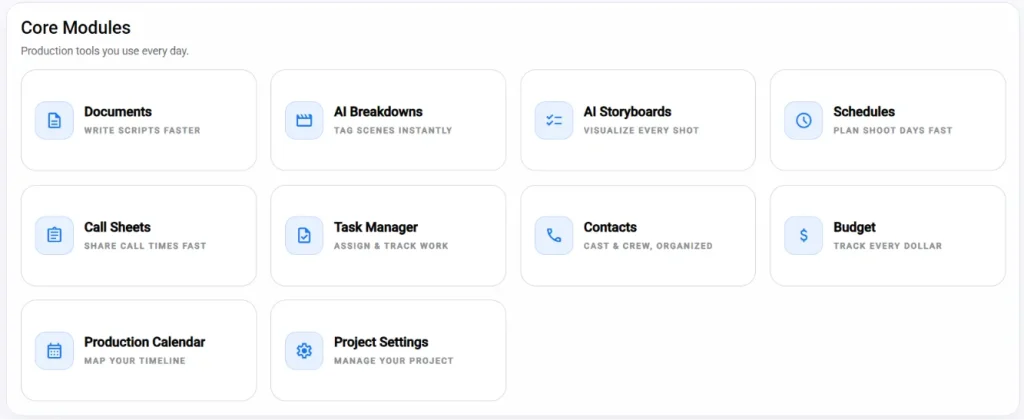
Modern filmmaking education is increasingly powered by artificial intelligence and collaborative production software. Instead of juggling multiple applications for writing, planning, scheduling, budgeting, and storyboarding, students can learn the complete filmmaking workflow within a single platform.
Studiovity for Education is an AI-powered screenwriting and film production platform designed specifically for film schools, universities, creative institutions, and independent learners. It enables students to move seamlessly from screenplay writing to pre-production without switching between different tools.
With Studiovity, students can:
Write industry-standard screenplays with AI assistance
Generate AI-powered script breakdowns
Create professional storyboards
Build shot lists
Develop production schedules
Manage film budgets
Organize cast and crew
Create call sheets
Collaborate with classmates in real time
Export production-ready reports
Educational institutions also benefit from special academic pricing, collaborative classroom features, and workflow tools that help instructors teach the complete filmmaking process using real-world production methods. By combining screenwriting, pre-production, collaboration, and AI into one platform, Studiovity helps students focus less on administrative work and more on creative storytelling.
Post-Production: Shaping the Final Film
Editing transforms raw footage into a compelling story.
Professional editors understand that storytelling continues long after production ends.
Learning Professional Editing Software
Students should become comfortable using industry-standard editing software such as:
Adobe Premiere Pro
DaVinci Resolve
Final Cut Pro
Beyond basic editing, students should also learn:
Proxy workflows
Timeline organization
Color correction
Color grading
Media management
A clean editing workflow saves countless hours during post-production.
Building an Efficient Workflow
Professional editors always protect their footage.
A reliable workflow includes:
Backing up footage to multiple drives
Organizing media folders
Syncing audio
Creating proxy files
Locking picture before sound mixing
Archiving project files
Good organization prevents costly mistakes later.
Understanding Sound Design
Professional filmmakers often say that sound represents half of the cinematic experience.
Students should learn:
Dialogue editing
Noise reduction
Foley recording
Ambient sound design
Music integration
Audio mixing
High-quality sound makes even low-budget productions feel significantly more professional.
Developing Your Creative Eye
Technical knowledge alone does not create memorable films.
Students must also study visual storytelling techniques.
Important storytelling concepts include:
Rule of Thirds
Leading Lines
Depth
Camera movement
Visual symbolism
Color psychology
Blocking
Composition
Every shot should communicate emotion, reveal character, or advance the narrative.
Watching classic films while analyzing cinematography, editing, and directing choices is one of the fastest ways to improve visual storytelling skills.
Preparing for a Career in Film
Every student project contributes to a professional portfolio.
Rather than showcasing every film you’ve created, focus on producing a concise showreel featuring only your strongest work.
An impressive portfolio should include:
High-quality cinematography
Strong storytelling
Professional editing
Behind-the-scenes production photos
Credits
Personal website
Updated resume
Networking is equally important. Attend film festivals, collaborate with classmates, participate in student productions, and continue learning from experienced filmmakers throughout your career.
Final Thoughts
The journey to becoming a successful filmmaker is built on continuous learning, collaboration, and practical experience. Technology will continue to evolve, but the principles of great storytelling, careful planning, and creative execution remain timeless.
By mastering pre-production planning, screenplay analysis, cinematography, lighting, production design, directing, editing, and sound, students develop the complete skill set needed for professional filmmaking. Refining these Film Production Skills for Students ensures that you are ready for industry demands. Combining these traditional filmmaking fundamentals with modern AI-powered production tools like Studiovity enables aspiring filmmakers to work more efficiently, collaborate effectively, and prepare for the realities of today’s film industry.
Every film you create is an opportunity to improve your craft. Keep experimenting, embrace mistakes as learning experiences, and continue refining your storytelling abilities. By applying foundational Film Production Skills for Students, you can grow tremendously. With dedication, the right skills, and the right production tools, you will be well-equipped to bring your stories from script to screen. Honing core Film Production Skills for Students is promoted by top institutions globally. Furthermore, mastering these Film Production Skills for Students is often evaluated during final projects. Ultimately, successful careers are built when Film Production Skills for Students are applied consistently on every project.